Molding and Curing
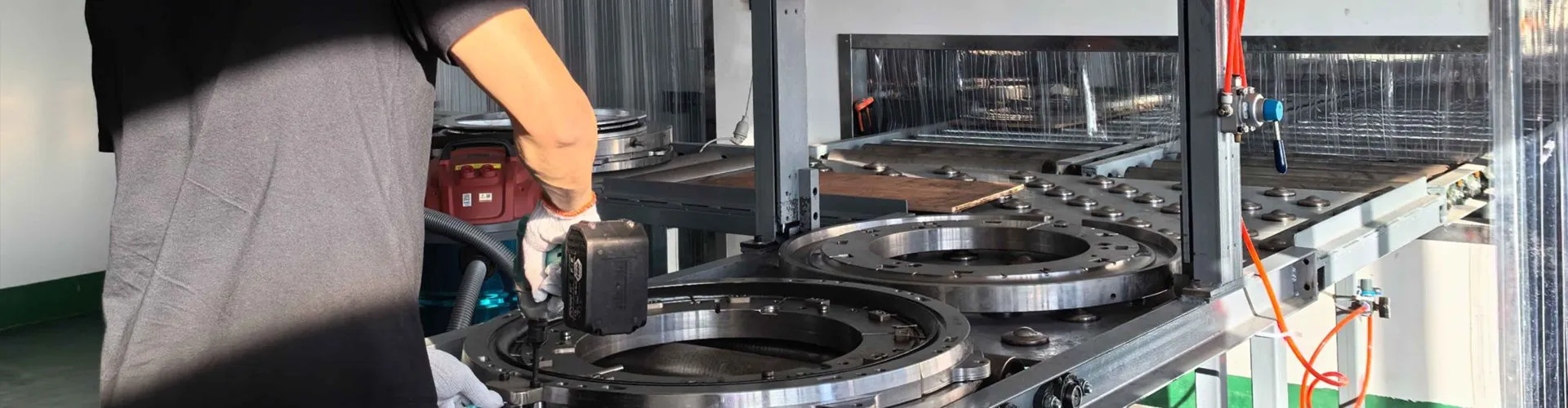
After layup, the precisely arranged carbon fiber structure is carefully transferred into a custom-machined, two-part mold. Each mold is engineered to the exact profile of the rim—including specific rim widths, depths, and spoke interface geometries—and features precision venting and seal designs that ensure uniform pressure distribution during curing.
Once the mold is sealed, the curing process begins inside a computer-controlled hydraulic press or an autoclave. Temperature and pressure are ramped up according to a tightly defined cure cycle developed through extensive resin chemistry validation. Typical cure temperatures range between 120°C and 180°C, while applied pressure can reach 5 to 8 bars, depending on the resin system and rim design. This carefully regulated environment allows the thermosetting resin to cross-link properly, transitioning from a tacky semi‑solid to a hard, fully polymerized matrix. At the same time, the pressure consolidates the carbon plies, collapses any remaining micro‑voids, and forces the laminate precisely against the mold surfaces — giving the rim its final, dimensionally accurate shape.
Consistent molding is critical for structural reliability. By maintaining strict process controls, the production line significantly reduces the risk of weak spots, shape variations, and hidden internal defects such as delaminations, dry fibers, or porosity. Every cured rim undergoes initial visual and sonic tap testing before moving to the next stage. The result is a rim structure that is not only lightweight and stiff but also highly predictable: each rim behaves identically to the next, allowing for consistent wheel building, dependable spoke tensioning, and uniform on‑road performance throughout the entire production batch.