
2026 Road Bike Wheels Guide: How to Choose Carbon Wheelsets
2026 Road Bike Wheels Guide: How to Choose Carbon Wheelsets
Quick answer: For 2026, choose disc-brake tubeless carbon wheels matched to your terrain—shallow for climbing, mid-depth for daily, deep for racing. Prioritize safety-certified, reliable hubs, solid warranty. Rim-brake only for legacy frames. Upgrading road bike wheels is one of the most impactful upgrades for speed, comfort, and riding efficiency. This streamlined 2026 professional guide explains how to choose a carbon wheelset with updated industry standards, helping riders select suitable carbon bike wheels for their terrain, riding goals, and budget.
1. Brake System: Disc Brake as Mainstream
Rim-brake carbon wheels have exited mainstream professional competitions but remain in use among amateur riders with legacy frames and in specific builds. They offer a 300–500g weight advantage over comparable disc-brake wheelsets, which is significant for ultra-light climbing projects and vintage bike restorations. However, this weight saving comes with clear trade-offs: reduced braking consistency in wet conditions, limited tire width compatibility (typically ≤28mm), and gradual rim wear over time. For most new bike purchases, disc brakes remain the more versatile, future-ready choice. Yet for riders with rim-brake frames or those pursuing an extreme lightweight build, rim-brake carbon wheels still hold practical value.
2. Are Carbon Wheels Worth Buying?
Carbon wheels are a worthwhile upgrade for most road cyclists. Compared with aluminum wheels, premium carbon wheelsets offer lighter weight, better aerodynamics, and superior vibration damping, effectively boosting speed and reducing long-distance riding fatigue. Though the initial cost is higher, their outstanding durability and performance deliver excellent long-term value. With accessible custom carbon wheels and cost-effective options widely available in 2026, carbon wheels suit entry-level fitness riders, cycling enthusiasts, and professional racers alike.
3. Rim Depth & Riding Scenario Matching
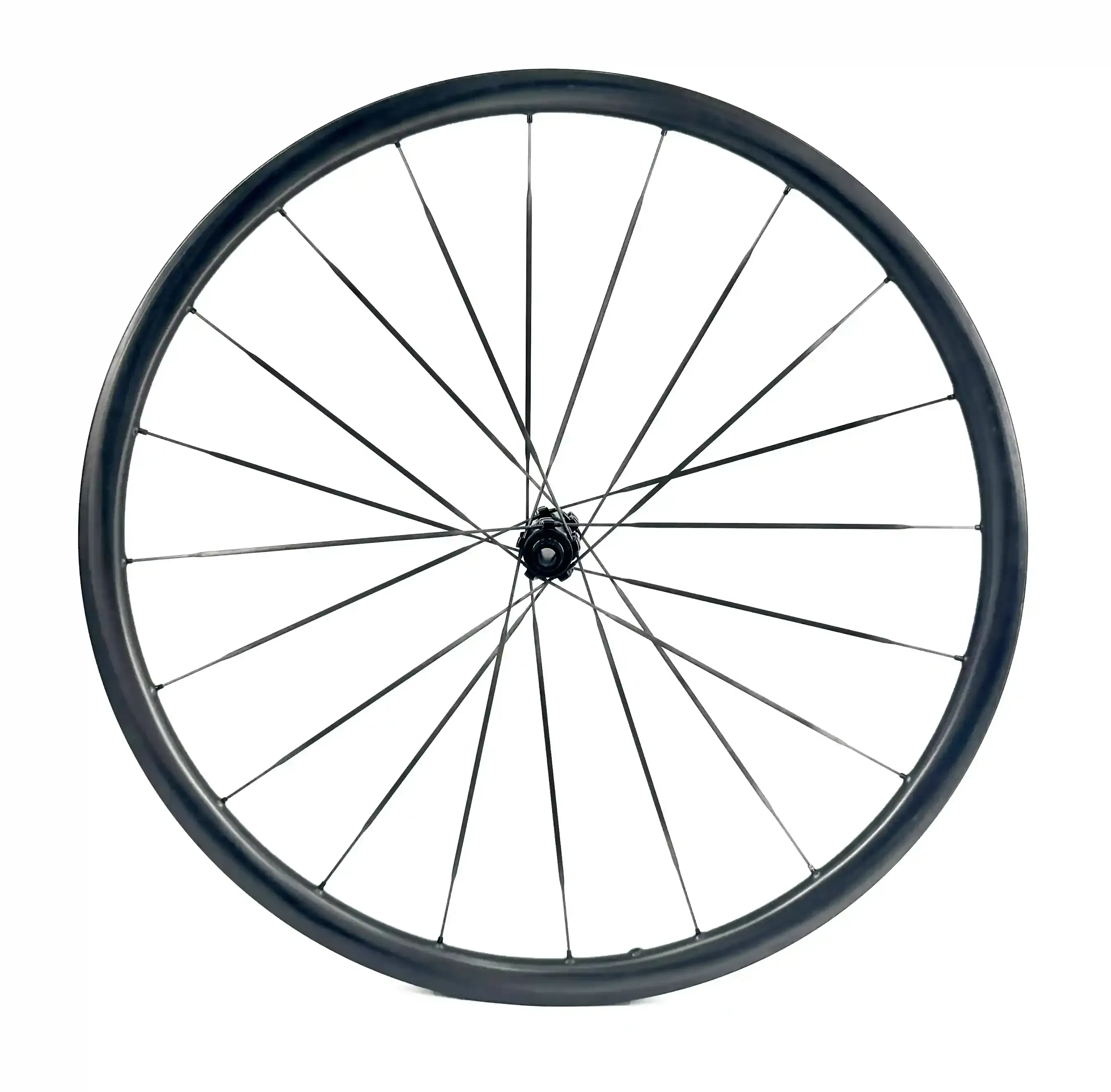 LT-WR23-28-carbon-road-wheelset-with-23mm-internal-width-and-28mm-rim-depth-fron
Rim depth defines wheel performance. A 21mm+ internal width is required to fit modern 28c–30c tires for optimal grip and aerodynamics. Updated 2026 scenario-based specifications are as follows:
24–30mm (Ultra-Light Climbing): Minimal weight and low inertia, built for steep gradients and mountain routes, prioritizing climbing agility over aerodynamics.
35–45mm (All-Round Endurance): Balanced weight and aerodynamic performance, perfect for daily training and mixed flat-rolling terrain, the most versatile choice for most riders.
50–80mm (High-Speed Racing): 50–60mm rims suit general road races; 60–80mm ultra-deep rims are standard for 2026 time trials and elite flat racing. They maximize aerodynamic gains but require skilled handling in crosswinds. Check out our road carbon wheelset built for real-world road conditions.
4. Tubeless Wheels: Hook vs Hookless Safety Guide
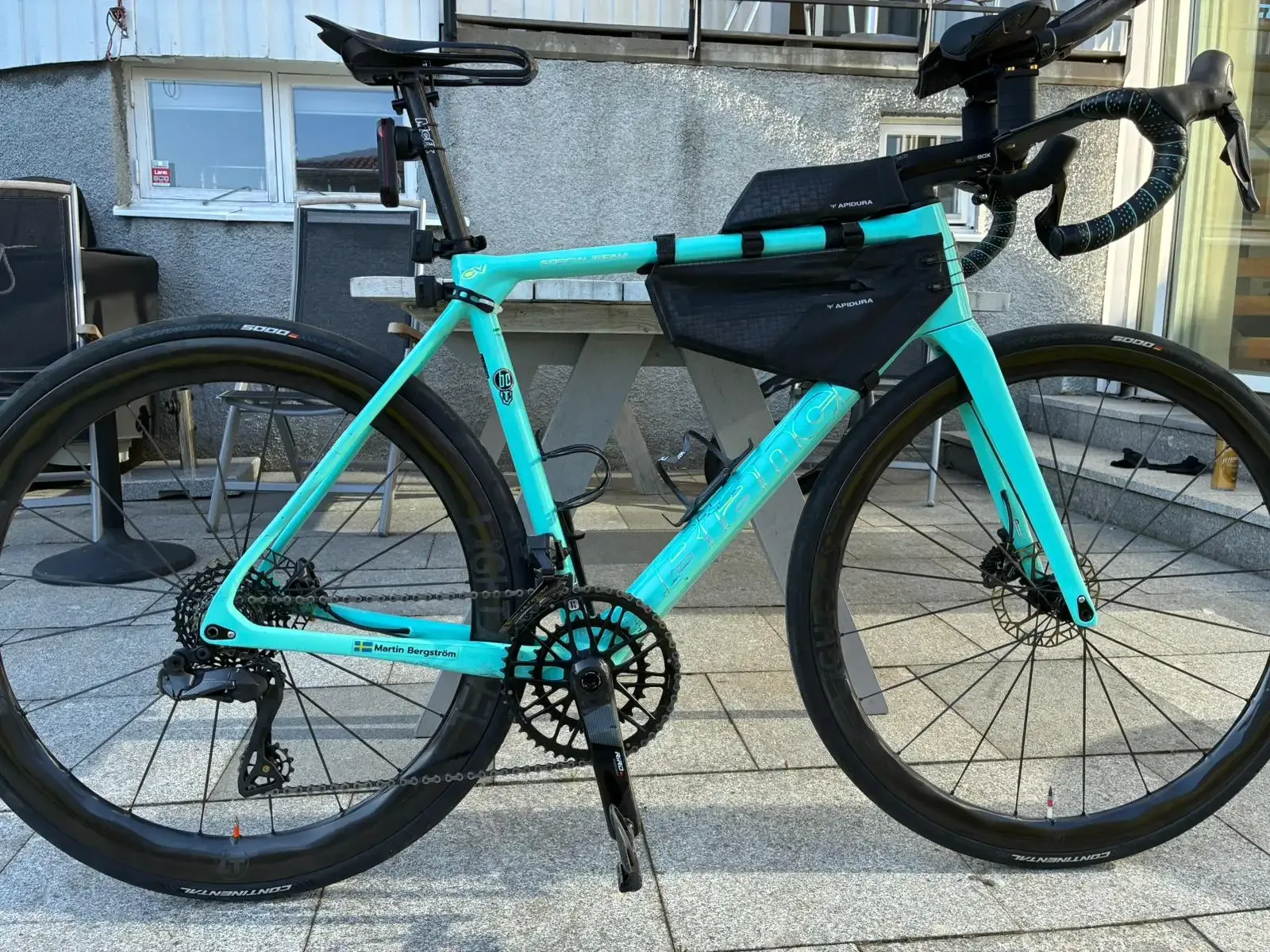 Road-bike-fitted-with-LT-WR25-38-carbon-wheelset-parked-on-outdoor-stone-patio
Tubeless carbon wheels are the modern standard, reducing weight, lowering rolling resistance, and minimizing puncture risks compared to traditional clincher wheels. Two rim structures require strict differentiation for safety. Hooked rims support both tubeless and regular tires with high fault tolerance, ideal for daily riding. Hookless rims are lighter and more streamlined but only work with certified tubeless tires, with a strict maximum pressure limit of 73psi (5 bar). Using uncertified tires or overinflation causes severe bead detachment and blowout hazards.
5. Core Wheel Specs & 2026 Professional Standards
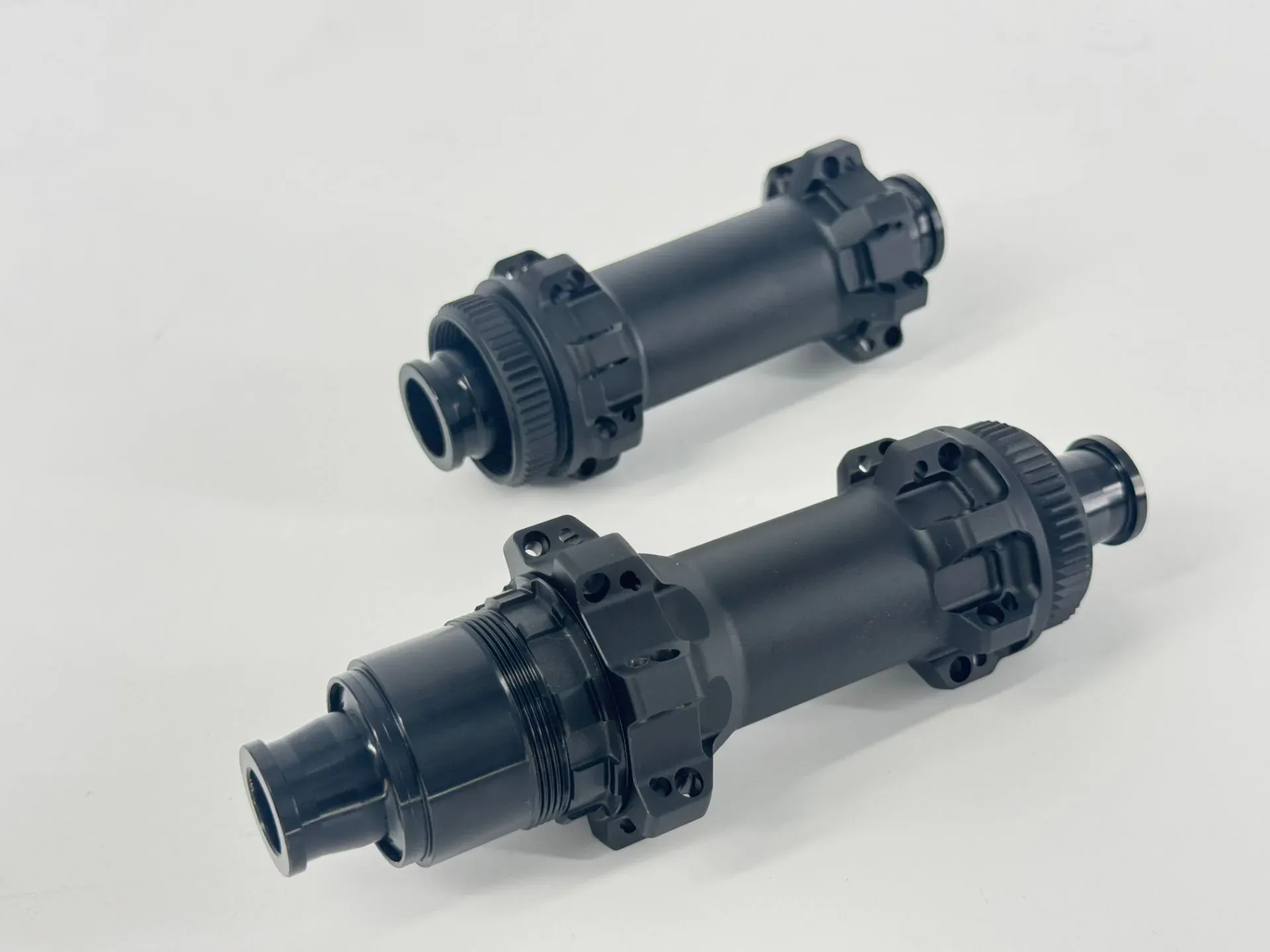 LT-235g-road-bike-wheel-hubs-with-high-precision-ratchet-structure-three-quarter
Hub ratchet performance determines pedaling response. Professional hubs feature 36–54T ratchets with a 6.7°–10° engagement angle for instant power pickup. Low-end 16–24T hubs have a 15°+ lag, causing dull power feedback. Load-bearing carbon hubs offer ultra-light rigidity for racing, while alloy hubs provide durable cost-performance for daily use.
Carbon-fiber spokes are a defining feature of high-performance 2026 road-bike wheelsets. Compared with traditional steel spokes, carbon-fiber spokes deliver snappier acceleration, sharper road feel and improved vibration damping. Under high-intensity riding, they offer direct feedback and precise cornering; on long rides, they filter out road vibration effectively to noticeably reduce rider fatigue. Their high axial rigidity transfers every pedal stroke efficiently into forward momentum, which matters greatly for climbers and sprinters.
That said, carbon-fiber spokes demand higher installation precision than steel spokes. Professional tension truing by an experienced mechanic is recommended. Side impacts against curbs or rocks should be avoided while riding. If a carbon fiber spoke breaks, it cannot be repaired on the roadside like a steel spoke. You do not need to send the wheel back to us. We include 3 spare carbon spokes so you can get it replaced at your local bike shop. Still, for performance-focused riders, the gains in acceleration, handling and comfort well justify the extra care required for maintenance.
The bar for lightweight wheelsets has risen substantially in 2026. Take Light Travel Cycling for example: our lightweight version 28mm climbing wheelset weighs just 799g per pair, and the lightweight version 45mm all-road wheelset hits only 985g per pair — well below traditional industry benchmarks. We publish actual measured complete wheelset weights, so every gram can be verified. Our wheels comply with ISO 4210 certification and pass 200,000 vertical and 100,000 torsion fatigue test cycles to guarantee structural safety. Read our guide on carbon wheel safety testing to understand these industry standards. We also provide a 5-year warranty and crash replacement policy to help you manage long-term usage costs.
Conclusion
In 2026, optimal carbon wheelset selection relies on clear scenario matching. Choose disc-brake tubeless wheels for mainstream use, pick rim depth based on terrain, and follow updated weight and safety standards. Reserve rim-brake setups for ultra-light climbing or vintage builds. A well-matched carbon wheel upgrade delivers tangible improvements in speed, comfort, and overall road cycling performance.
FAQ
Q: What rim depth is best for road carbon wheels?
A: Choose 24–30mm for climbing, 35–45mm for all-round daily riding, and 50–80mm for high-speed racing. Deeper rims deliver better aerodynamics in ideal conditions but need extra care in crosswinds.Q: Hooked or hookless rims for everyday riding?
A: Hooked rims are the safer, more flexible pick for daily use, supporting both tubeless and clincher tires without pressure restrictions. Hookless rims save weight yet require certified tubeless tires and strict 73psi maximum pressure limits.Q: What key specs should I check before buying carbon wheels?
A: Look for ISO 4210 safety certification, 36–54T hub ratchets with 6.7°–10° engagement, and real-world weight data (for reference: Light Travel Cycling's 28mm climbing wheelset is 799g/pair, 45mm all-round is 985g/pair). Always review warranty and crash-replacement policy to manage long-term ownership costs.
