
How to Choose Bike Wheels: Buyer's Guide (2026) – Light Travel Cycling
How to Choose Bike Wheels: A Complete Buyer's Guide for All Riders
Quick answer: Match wheels to your riding first — carbon wheels for performance riding, aluminum for budget commuting. Then check four specs: internal rim width vs your tire, spoke-hole count tailored to your discipline, hub engagement, and brake/axle compatibility. Hookless rims demand certified tubeless tires and strict pressure limits.
Choosing the right bike wheels is one of the most impactful upgrades to enhance your bicycle’s speed, comfort, and riding safety. Many cyclists struggle to choose between durable aluminum builds and high-performance carbon wheels for their riding needs. This article covers everything you need to know to pick the perfect bike wheel setup, with practical tips for different terrains, materials, technical specs, and budgets for all cyclists.
1. Choose Bike Wheels by Riding Style & Terrain Type
No single wheelset delivers consistent performance across all cycling disciplines. Your ideal wheel configuration depends entirely on where and how you ride. Matching your wheels to regular terrain eliminates wasted spending and ensures reliable, long-term ride quality for all cycling scenarios.
Road Riding: Pick High-Performance Road Bike Wheels
Road cycling prioritizes efficient speed and reduced rider fatigue, making aerodynamic, lightweight hardware essential for long-distance rides and group cruises. Shallow 30–40mm rim profiles excel at climbing, while mid-depth 45–60mm rims balance speed and crosswind stability for flat roads. Rim performance varies by brake system: traditional rim brakes limit internal rim width, while modern disc brake designs support wider rims for larger, more grippy tires. For riders chasing elite road performance, a refined carbon clincher wheelset delivers exceptional lightweight and aerodynamic advantages.
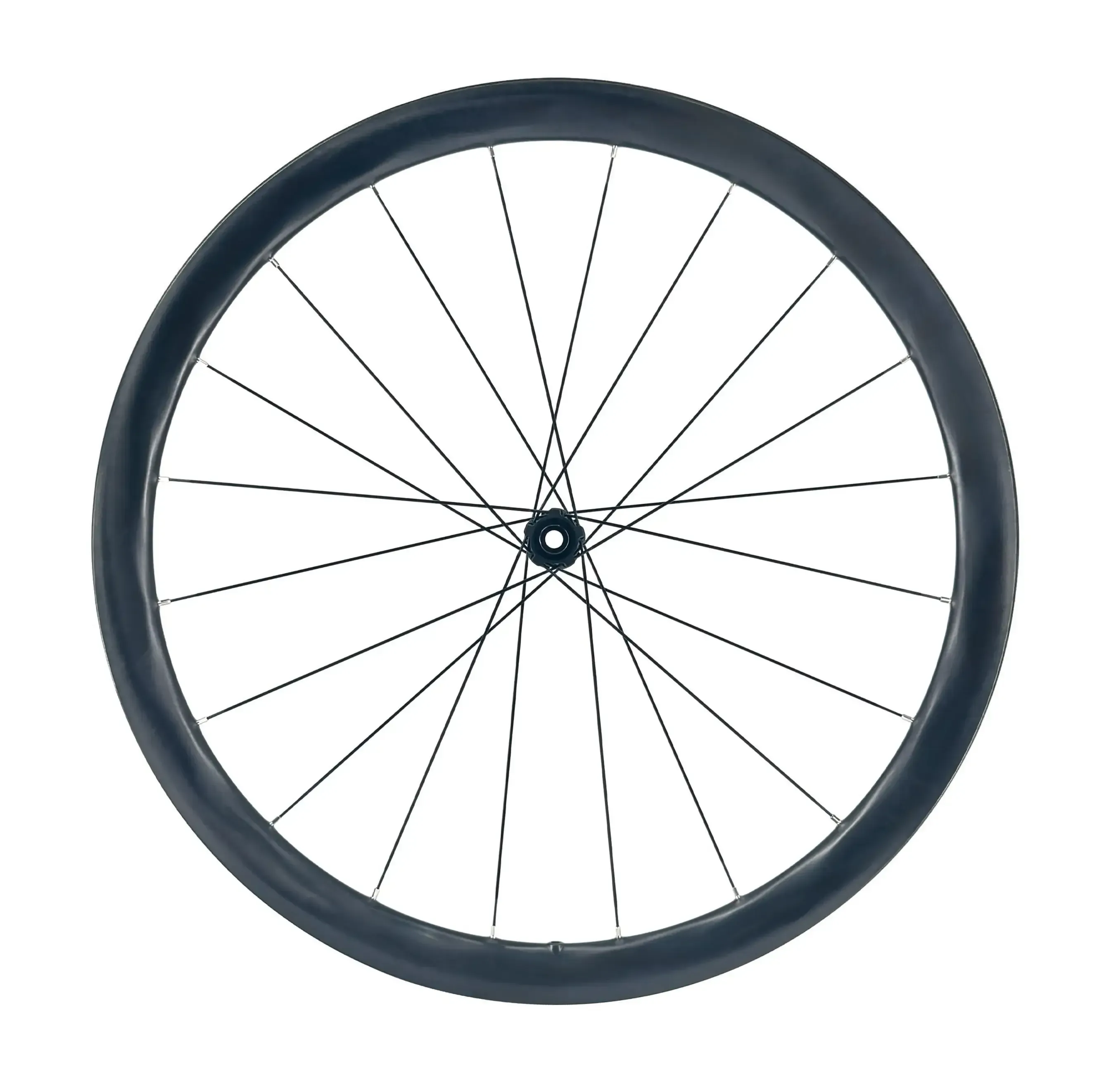 LT-WR25-38-carbon-road-wheelset-with-38mm-rim-depth-side-profile-on-white-backgr
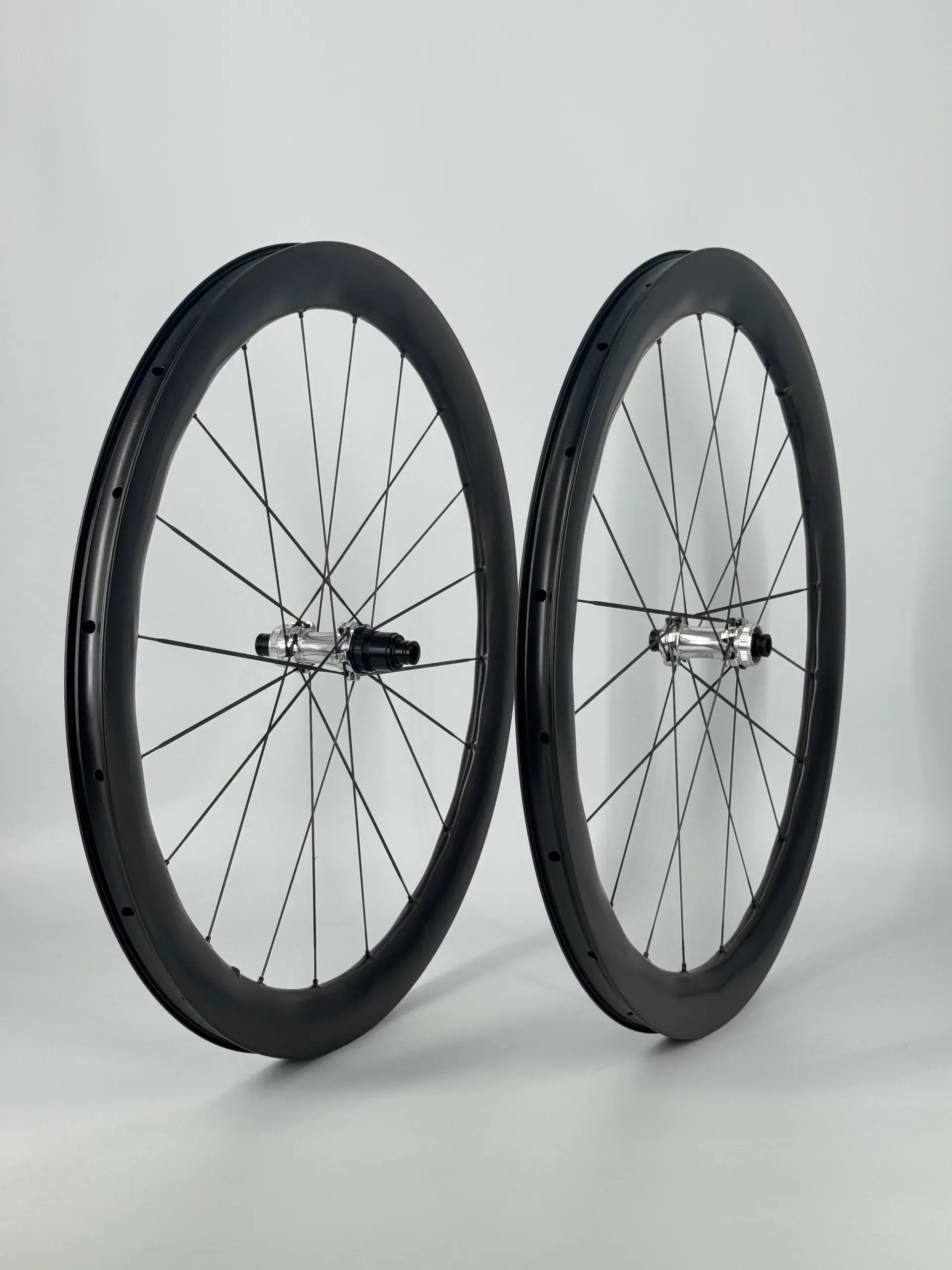 LT-WR25-50-carbon-road-wheelset-with-50mm-rim-depth-side-profile-on-white-backgr
Gravel Riding: Choose Durable Off-Road Wheels
Gravel cycling requires stable traction and rugged impact resistance on rough, unpaved surfaces. Modern gravel setups use wide rim and tire combinations to replace outdated narrow rims that lack low-pressure support. Premium gravel wheels feature widened internal rims compatible with 40c+ tires, absorbing trail vibrations and boosting off-road control. A tubeless-ready build is essential to prevent pinch flats and maintain consistent performance on unpredictable terrain.
XC Trail Riding: Lightweight Build for Fast Climbs & Racing
Modern XC cross-country riding prioritizes lightweight performance over maximum durability. Light rims greatly reduce rotational weight, delivering snappier acceleration and less fatigue during long climbs and competitive races. Our XC30 carbon rim weighs only 238g, offering ultra-light specs while maintaining reliable structural stability, making it an ideal choice for XC focused riders pursuing speed and efficiency.
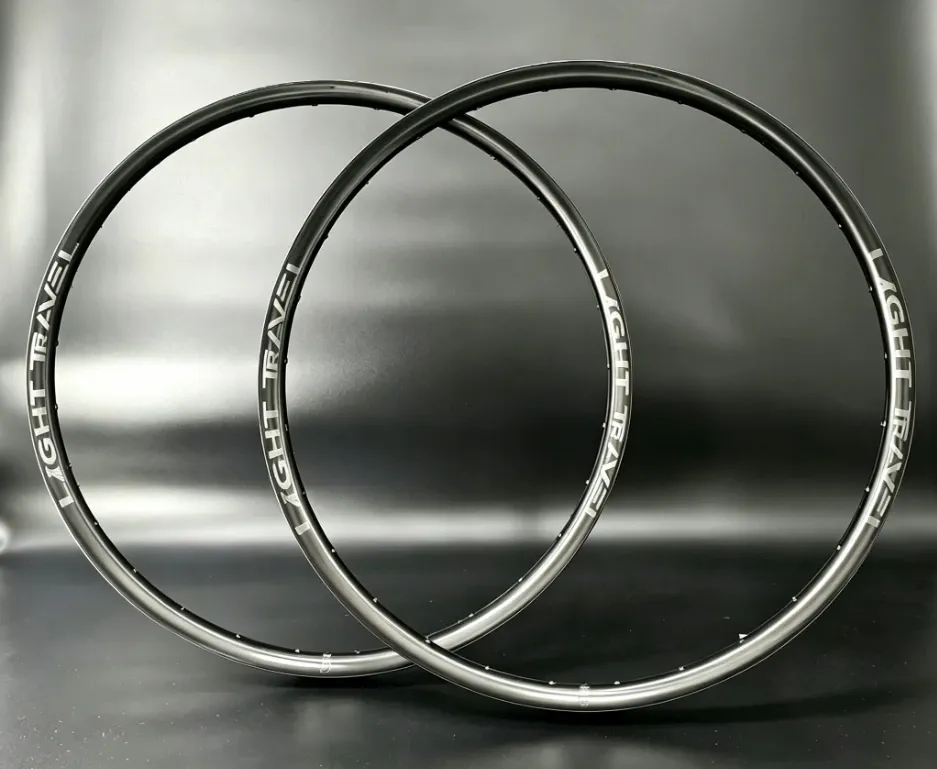 LT-XC30-carbon-rim-with-30mm-internal-width-at-238g-cross-country-mountain-bike
AM & Aggressive Trail Riding: Reinforced Structure for Heavy Impacts
Different from XC, All-Mountain and aggressive trail riding prioritize toughness and impact resistance. Frequent rocky trails, drops, and harsh terrain place heavy pressure on wheel structures. Basic budget wheels easily flex, deform, or suffer damage under intense riding. Premium carbon wheels feature reinforced layup designs to balance stiffness and durability, providing consistent safety and performance for demanding off-road conditions.
Daily Commuting: Practical Bicycle Wheels for City Use
Urban commuting demands low-maintenance wheels capable of handling potholes and uneven city pavement. Sturdy aluminum wheels remain the most practical daily option, offering long-lasting durability with minimal upkeep. Modern premium carbon wheels feature greatly improved impact-resistant construction. More and more riders are choosing carbon wheels for daily commuting, as they deliver solid reliability while bringing enhanced riding comfort and better overall ride feel.
2. Carbon Wheels vs Aluminum Wheels: Material Comparison
Wheel material defines a wheelset’s weight, performance, durability, and ideal use cases. Carbon fiber and aluminum alloy are the two dominant aftermarket materials, with unique benefits for performance riders and casual cyclists alike. Understanding these differences helps you invest in quality bicycle wheels that match your exact riding needs.
Carbon Fiber Wheels: Professional Performance Upgrade
Performance-focused cyclists rely on lightweight, low-drag components to reduce ride fatigue. Well-built carbon fiber wheels cut rotational weight and rolling resistance, enabling faster acceleration and smoother cruising. Tuned carbon layups deliver vibration damping for comfort while retaining stiff, responsive handling. Modern disc-brake carbon wheels bring consistent braking performance without rim-related thermal wear concerns.
Aluminum Wheels: Budget-Friendly Daily Option
Aluminum wheels are commonly equipped on mass-produced stock bikes, though performance gains remain limited. They resist scuffs and minor impacts and require almost no maintenance. Even so, aluminum wheels come with inherent drawbacks: they are noticeably heavier and lack aerodynamic optimization compared to premium wheel sets. Even with precise tire pressure adjustment and professional spoke tuning, the overall riding experience has a fixed performance ceiling. For most beginners, daily commuters and casual riders with a moderate budget, entry-level carbon bike wheels deliver far superior comfort, speed and ride quality that aluminum wheels simply cannot replicate.
3. Key Technical Specs for Selecting Bike WheelSets
High-quality materials only perform well with matched technical specs. Rim width, spoke configuration, hub performance, and compatibility standards determine the real-world safety and lifespan of your new bike wheels.
Rim Width & Tire Compatibility Guide
Modern cycling favors wide rim and tire setups to maximize stability and comfort. A properly sized internal rim width lets tires seat evenly, supporting lower inflation pressures to widen ground contact, reduce vibration, and boost traction. Always verify your bike’s frame and fork tire clearance to avoid fitment issues and tire rubbing.
Spoke Configuration & Structural Stability
Spokes form a wheelset’s structural backbone, affecting weight, stiffness, and impact resistance. Modern road wheels use optimized asymmetric lacing, with reinforced rear spokes for load bearing. For road applications, carbon-spoke wheels commonly adopt 20-hole or 24-hole layouts, whereas steel-spoke road wheels typically use 24-hole or 28-hole setups. Cross-country mountain wheels work well with 24-hole or 28-hole builds, while all-mountain / trail wheels require 28-hole or 32-hole configurations for enhanced strength on demanding terrain. Even, consistent spoke tension keeps wheels true and deformation-free long-term.
Hub Performance & Power Transfer Efficiency
Hub quality directly impacts ride feel and power transfer. Low-engagement hubs eliminate lag for instant sprint and climb response, ideal for performance road bike wheels. Standard hubs deliver smooth cruising for casual rides, while sealed waterproof bearings protect internal components from dirt and moisture to extend wheelset lifespan.
Rim Brakes & Axle System Compatibility
Rim brake and disc brake wheels feature incompatible rim designs and cannot be swapped interchangeably. Most modern disc brake wheels use a 12mm thru-axle system, while traditional setups rely on quick-release hardware. Always cross-check your bike’s brake type, axle size, and frame dropout width to ensure seamless installation and reliable braking performance.
Hookless Rim Design Safety Rules
Modern performance carbon wheels adopt hookless rim profiles to optimize aerodynamic efficiency and reduce weight. However, hookless rims must only be paired with tubeless tires certified as hookless-compatible. Always adhere to manufacturer-recommended pressure limits: a maximum of 73 PSI for road riding, and typically 40-50 PSI for gravel riding, depending on tire width. For mountain biking, the maximum is generally 35 PSI. Strict compliance with official specifications eliminates the risk of tire bead detachment, air leakage and potential safety hazards.
4. Budget-Based Bike Wheels Buying Guide
Bike wheels vary in performance across price tiers. Entry-level aluminum wheels are ideal for casual rides and daily commuting. Mid-range shoppers can opt for tough, high-spec aluminum wheels or lightweight entry-level carbon builds for improved aerodynamics. Top-tier wheelsets with refined carbon rims and precision-engineered hubs deliver pro-level performance for racing and hard-charging off-road use.
FAQ
Are carbon wheels worth it?
Absolutely. They deliver measurable lightweight, aerodynamic and comfort upgrades for racing, climbing, long-distance rides, and daily commuting. Read our full factory analysis: Are Chinese Carbon Fiber Wheelsets Worth Buying? A Straight Talk from a Manufacturing Factory
Can I put wider rims on my bike?
Usually yes, within your frame's tire clearance. Match your tire size with the proper internal rim width for perfect fitment.
Carbon or aluminum for beginners?
Entry-level carbon wheels provide far better performance and riding experience for new cyclists.
Conclusion
Upgrading your bike wheels is one of the most effective ways to elevate your overall cycling experience, and a high-value upgrade does not require overspending on ultra-premium components. The ideal wheelset always matches your riding style, regular terrain, bike specifications, and personal budget. By understanding the performance gap between aluminum and carbon wheels, as well as critical technical standards, you can make a well-informed purchase that improves your ride speed, comfort, and safety on every cycling trip.
